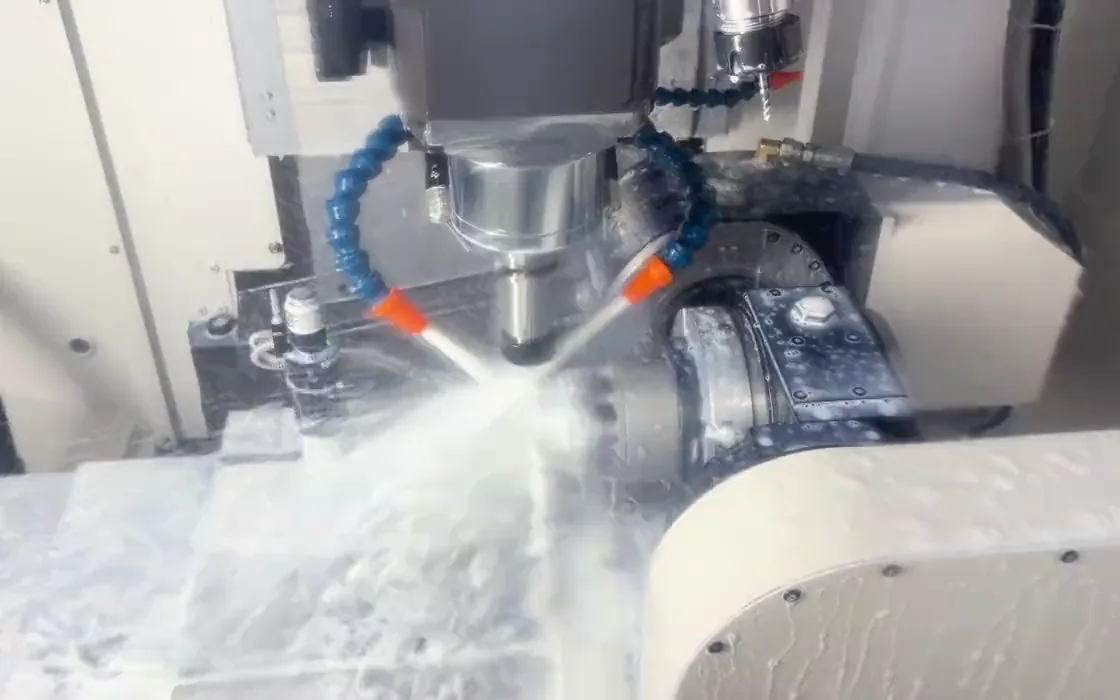
CNC Milling
Precision milling for prismatic parts, housings, brackets and components with complex pockets, holes and machined surfaces.
Learn More
CNC MACHINING SERVICES
OUJI is a precision CNC machining manufacturer. We machine custom milled and turned parts in metal and engineering plastics, from a single prototype to repeat production.
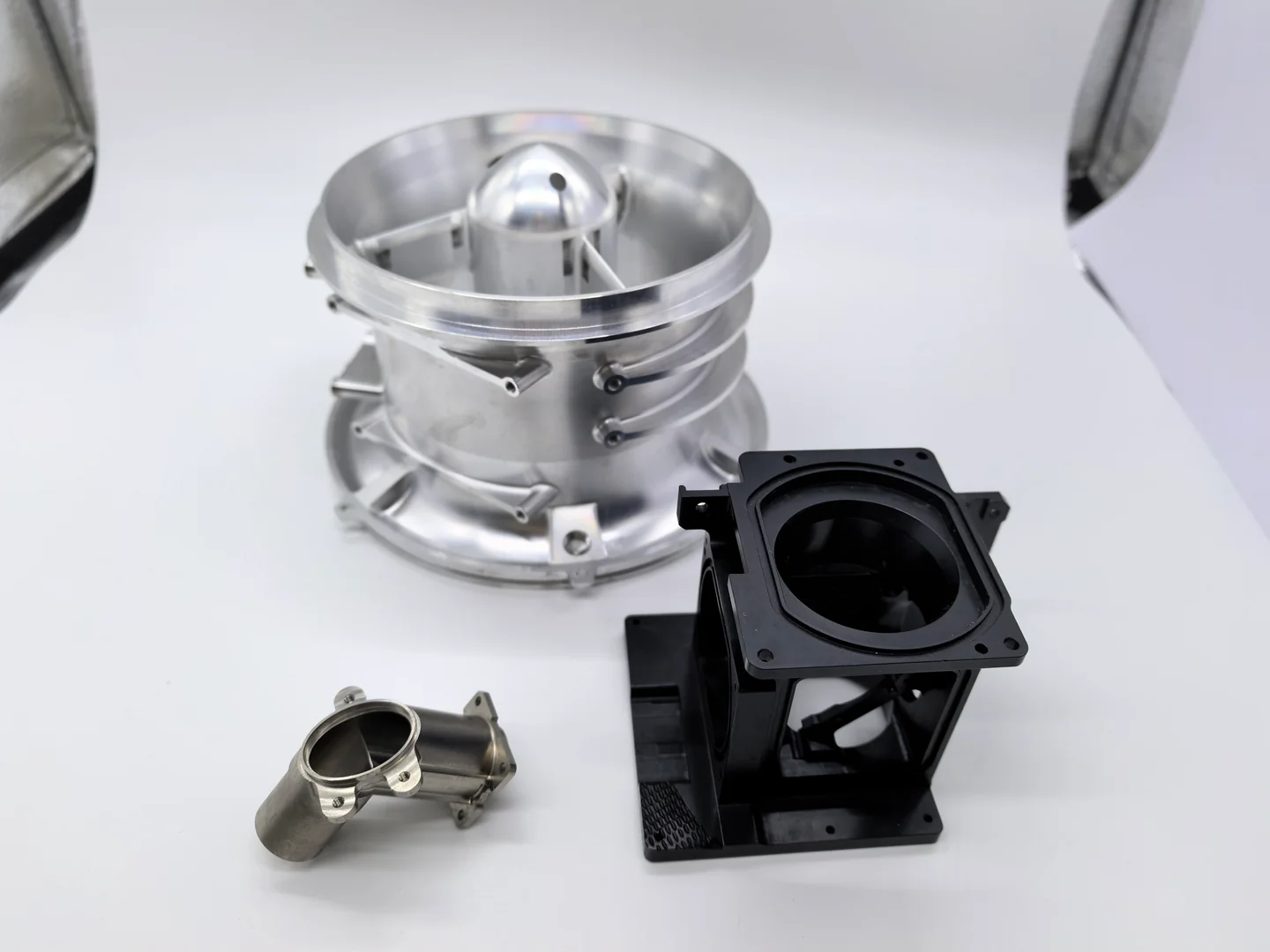
Precision milling for prismatic parts, housings, brackets and components with complex pockets, holes and machined surfaces.
Learn More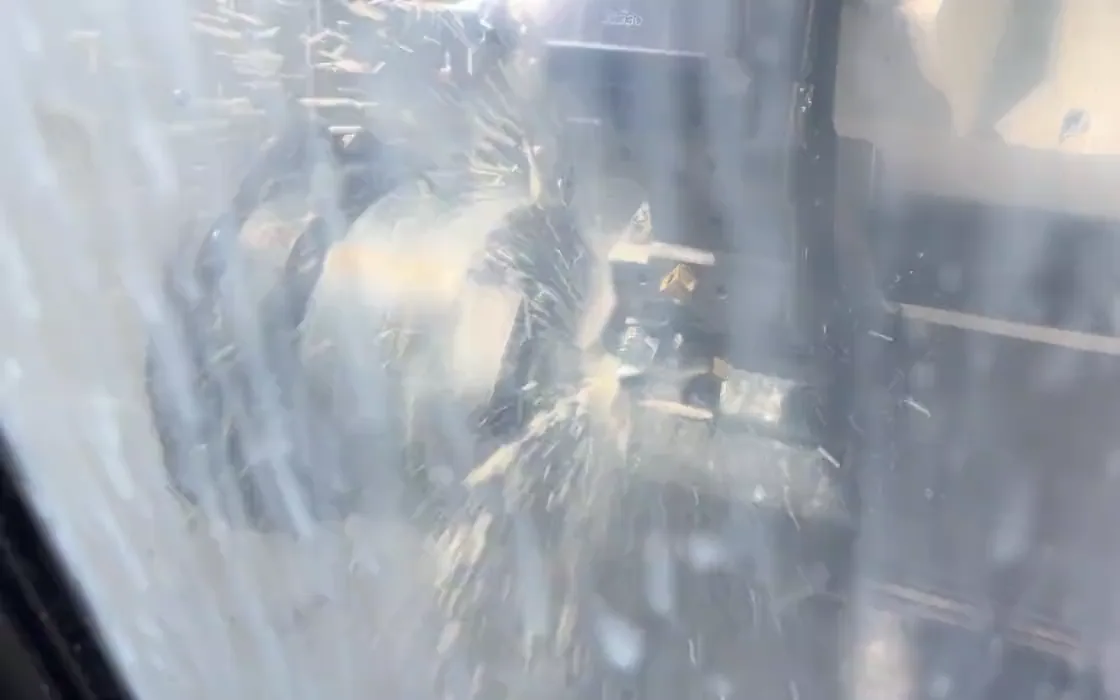
CNC turning and Swiss-type machining for shafts, pins, bushings, threaded parts and other rotational components.
Learn More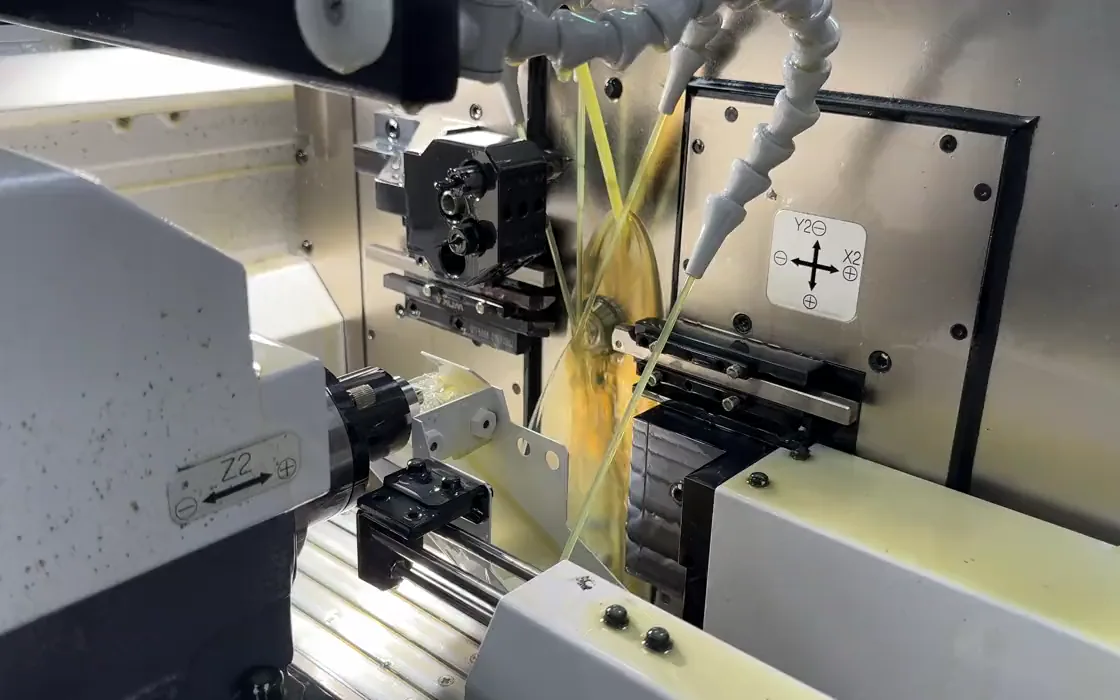
Swiss-type and micro machining for miniature shafts, pins, sleeves, inserts and other small components that require controlled features and careful handling.
Learn MoreQualified simple parts may start from 3 business days after drawing approval and technical confirmation.
Compare production lead timesOUJI accepts CNC machining orders from one piece. A single part goes through the same drawing review and process planning as a production batch — the quantity changes the price, not the process.
Inspection method is matched to the feature and to your drawing, not to the order size. Height gauges, micrometers and calipers are the right instrument for many dimensions; the ZEISS CMM is used for continuous profiles, geometric relationships and any characteristic your drawing specifies. More measurement is not automatically better measurement — the method is agreed before production starts.
As quantities grow, programming and setup costs spread across more parts, so the unit price falls. On repeat orders, process parameters, inspection checkpoints and drawing revisions are locked so later batches match the first.On a 1,800-part AerMet 100 order, finish milling moved from one part per fixture load to six
REAL CNC PROJECTS
Three recent orders below show how tolerance, batch size and post-finish dimensional stability were carried through production: AerMet 100 hard milling held to a controlled cutter-change interval, a 3,300-part 7075-T6 gearbox order under 0.01–0.02 mm GD&T, and dimensional stability confirmed across repeat batches after black hardcoat anodizing.
View all case studies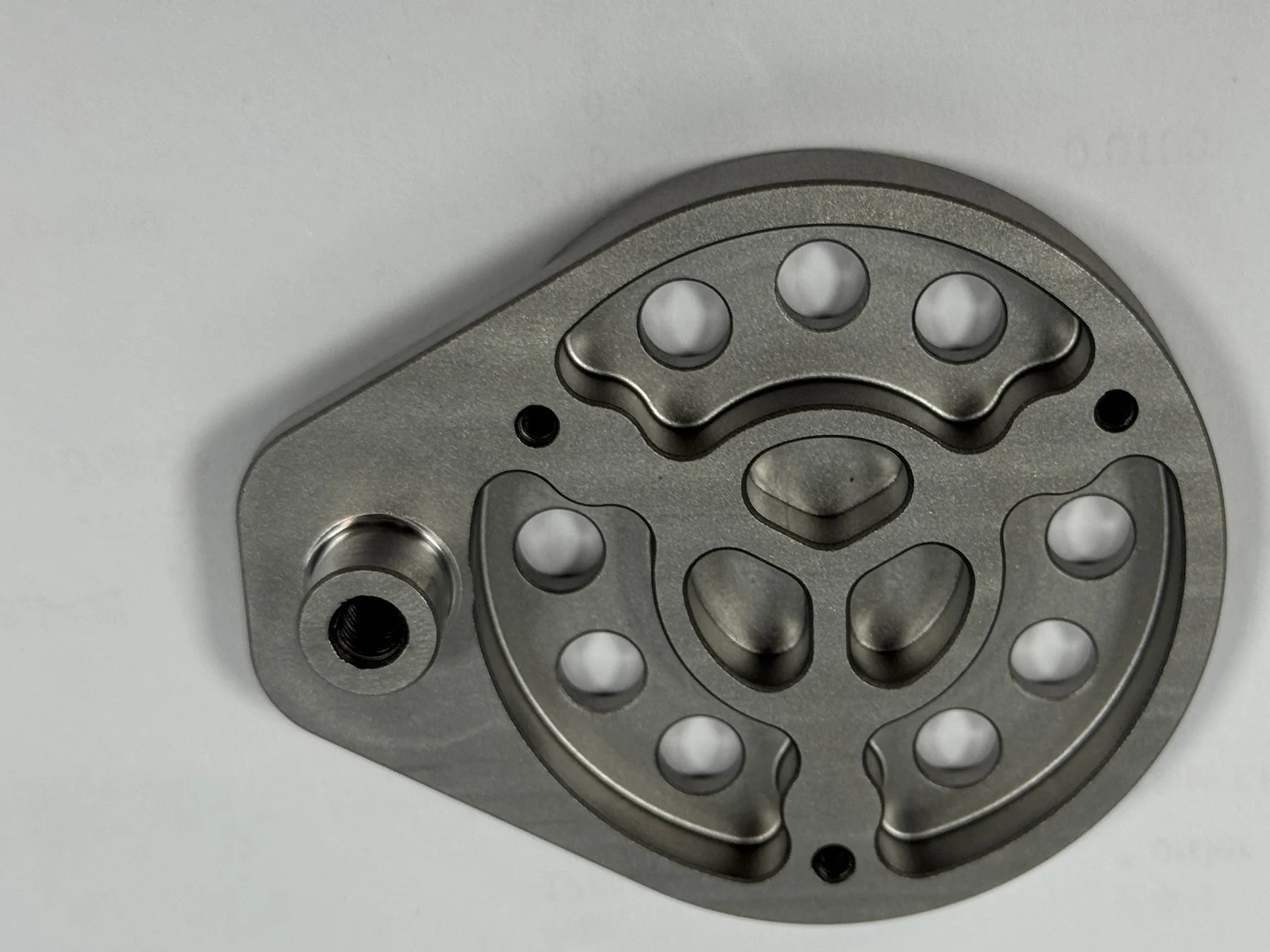
A 1,800-part AerMet 100 order moved from a one-part FANUC finish-milling setup to six-part fixturing on a Brother machining center. After the initial cutter chipped at about one part, an Ø8 HARVI I TE KCPM15 end mill was changed at about 20 parts to protect precision-size stability. The published CMM screen records one randomly selected finished part, not a batch capability result.
Read case study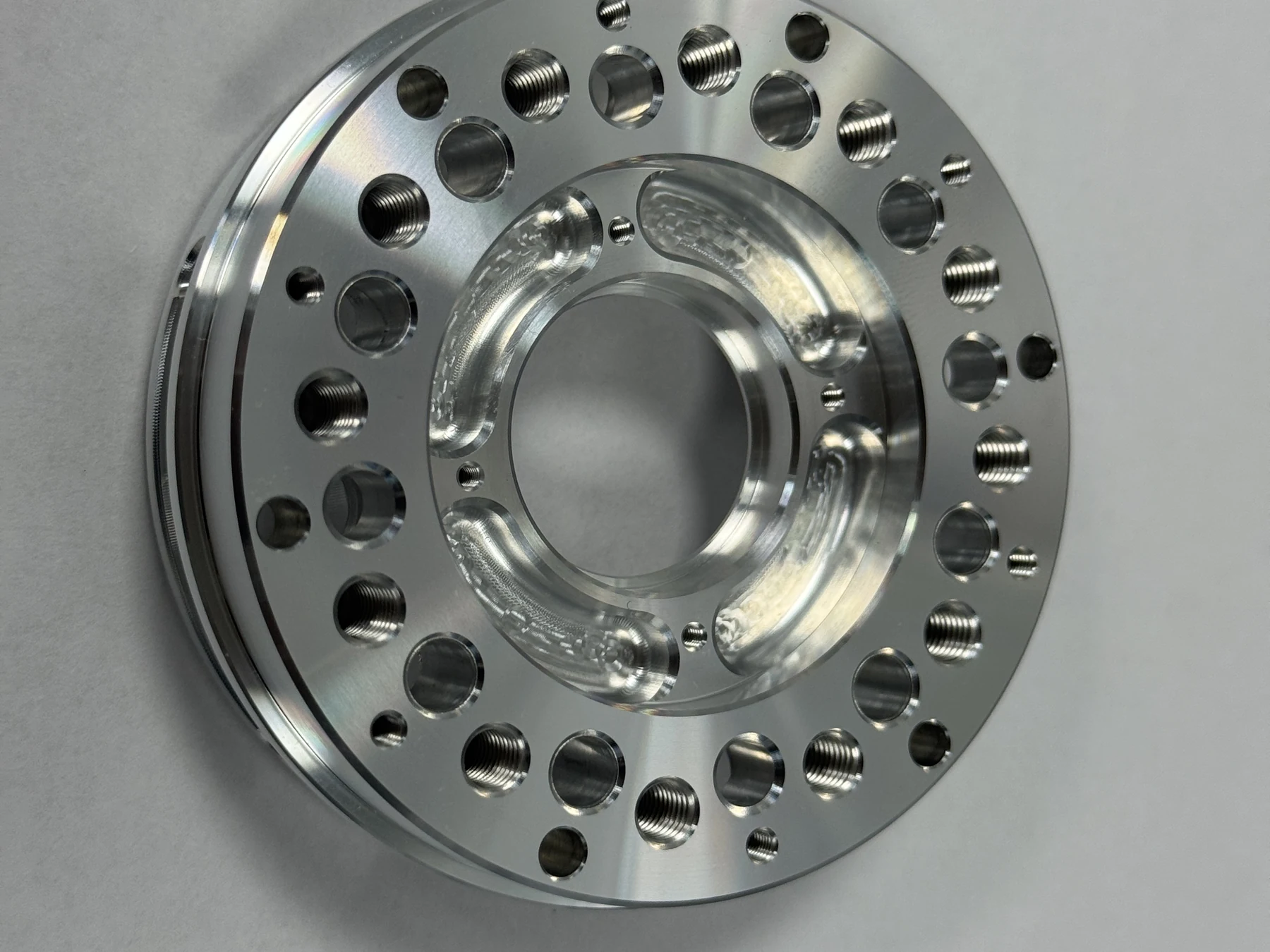
A 3,300-part production order used soft-jaw turning, a 12-position milling fixture and ZEISS CMM inspection to control precision fits and 0.01-0.02 mm GD&T across front, rear and rotational features.
Read case study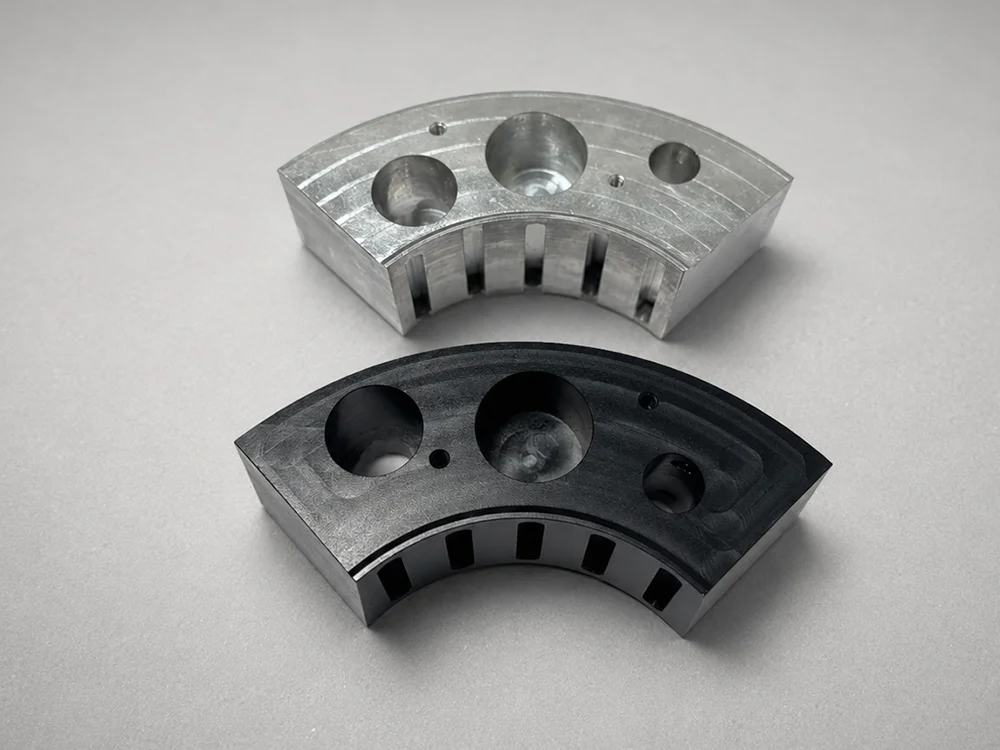
Multiple related precision dimensions had to survive black hardcoat anodizing batch after batch — solved with 3+2-axis machining and custom tooling to cut setups and control drift.
Read case studyExplore common CNC machining grades and material options in aluminum, stainless steel, titanium, POM and PEEK, with more metals and engineering plastics listed below.
Have a grade in mind?
Send your drawing to confirm material sourcing, machining and inspection requirements, including grades not listed.
Scroll to compare grades, applications and cases.
| Material | Common grades & options | Machinability | Common applications | Published case |
|---|---|---|---|---|
| Metals | ||||
| AluminumAluminium | 6061-T6, 6082-T6, 7075-T6, 2024-T3, 5083-H111 | Excellent | Housings and covers, Robotics brackets, Heat sinks | 6063 aluminum / EN AW-6063 Photographed ball-diameter checks: 5.980 mm and 5.974 mm |
| Stainless Steel | 303, 304 / 304L, 316 / 316L, 17-4 PH, 420 | Moderate | Food equipment, Medical hardware, Valve parts | SUS431 stainless steel Photographed outside-diameter reading: 8.003 mm |
| Carbon & Alloy Steel | 1018, 1045, A36, 4140, 4340 | Good | Shafts and axles, Machine frames, Gears and sprockets | AerMet 100 alloy steel Ø10 g6 measured 9.9867 mm within 9.9860–9.9940 mm |
| Tool Steel | A2, D2, O1, H13, S7 | Specialist | Dies and punches, Cutting tools, Mold inserts | — |
| Titanium | Grade 2, Grade 5 / Ti-6Al-4V, Grade 9, Grade 23 ELI | Specialist | Aerospace brackets, Medical instruments, Marine components | — |
| Brass | C360, C260, C464, CW614N, Lead-free brass | Excellent | Fittings and valves, Electrical terminals, Instrument parts | ZCuZn25Al6Fe3Mn3 high-strength brass with graphite inserts Ø16 h7 measured 15.992 mm |
| Copper | C101, C110, C145 tellurium copper, C172 beryllium copper, C18150 chromium copper | Moderate | Busbars, Heat spreaders, RF components | — |
| Inconel & Nickel Alloys | Inconel 625, Inconel 718, Inconel 600, Monel 400, Invar 36 | Specialist | Turbine hardware, Exhaust components, Chemical valves | — |
| Engineering plastics | ||||
| POM / Delrin / AcetalPOM-H, POM-C | POM-C, POM-H / Delrin, Delrin AF, Glass-filled acetal | Excellent | Precision gears, Bearing blocks, Valve components | — |
| PEEKPolyether ether ketone | Unfilled PEEK, 30% glass-filled PEEK, 30% carbon-filled PEEK, Bearing-grade PEEK | Good | Semiconductor fixtures, Medical components, High-temperature seals | — |
| NylonPolyamide, PA | PA6, PA66, PA12, Cast nylon, 30% glass-filled nylon | Good | Gears and sprockets, Wear pads, Rollers | — |
| PTFE / Teflon | Virgin PTFE, Glass-filled PTFE, Carbon-filled PTFE, Bronze-filled PTFE | Good | Seals and gaskets, Valve seats, Electrical insulators | — |
| PolycarbonatePC | Machine-grade PC, Optical-grade PC, Glass-filled PC, Flame-retardant PC | Good | Machine guards, Transparent covers, Light pipes | — |
| ABS | Machine-grade ABS, FR ABS, ABS-ESD, FDM ABS | Excellent | Prototype housings, Assembly fixtures, Control panels | — |
| PMMA / Acrylic | Cast PMMA, Extruded PMMA, Impact-modified acrylic, Optical acrylic | Good | Display windows, Light guides, Optical fixtures | — |
| PEI / UltemPolyetherimide | Ultem 1000, Ultem 2100, Ultem 2300, Static-dissipative PEI | Good | Electrical connectors, Aircraft interiors, Semiconductor fixtures | — |
Published measurements come from the inspection records of the linked case studies and describe the parts inspected there, not a guaranteed capability for every order.
Qualified simple parts can start from 3 business days. The confirmed schedule depends on complexity, quantity, material, finish and inspection requirements.
OUJI reviews machining tolerances and inspection methods together before production. Send your drawing with the critical features marked so the requirements, measurement method and inspection scope can be agreed.
Send the current drawing revision. General tolerance standards and classes are confirmed from the drawing, quotation and engineering review; individual tolerances and drawing notes take priority.
Identify fits, datum references, geometric tolerances and surface requirements that affect assembly or function. These are reviewed with the material, setup and machining access.
Height gauges, micrometers, calipers or CMM inspection are selected for the feature and drawing requirement. Agree the inspection scope before production, and specify required quality documents at quotation.
Mark critical features and specify any inspection reports or material certificates you need with your quotation request.
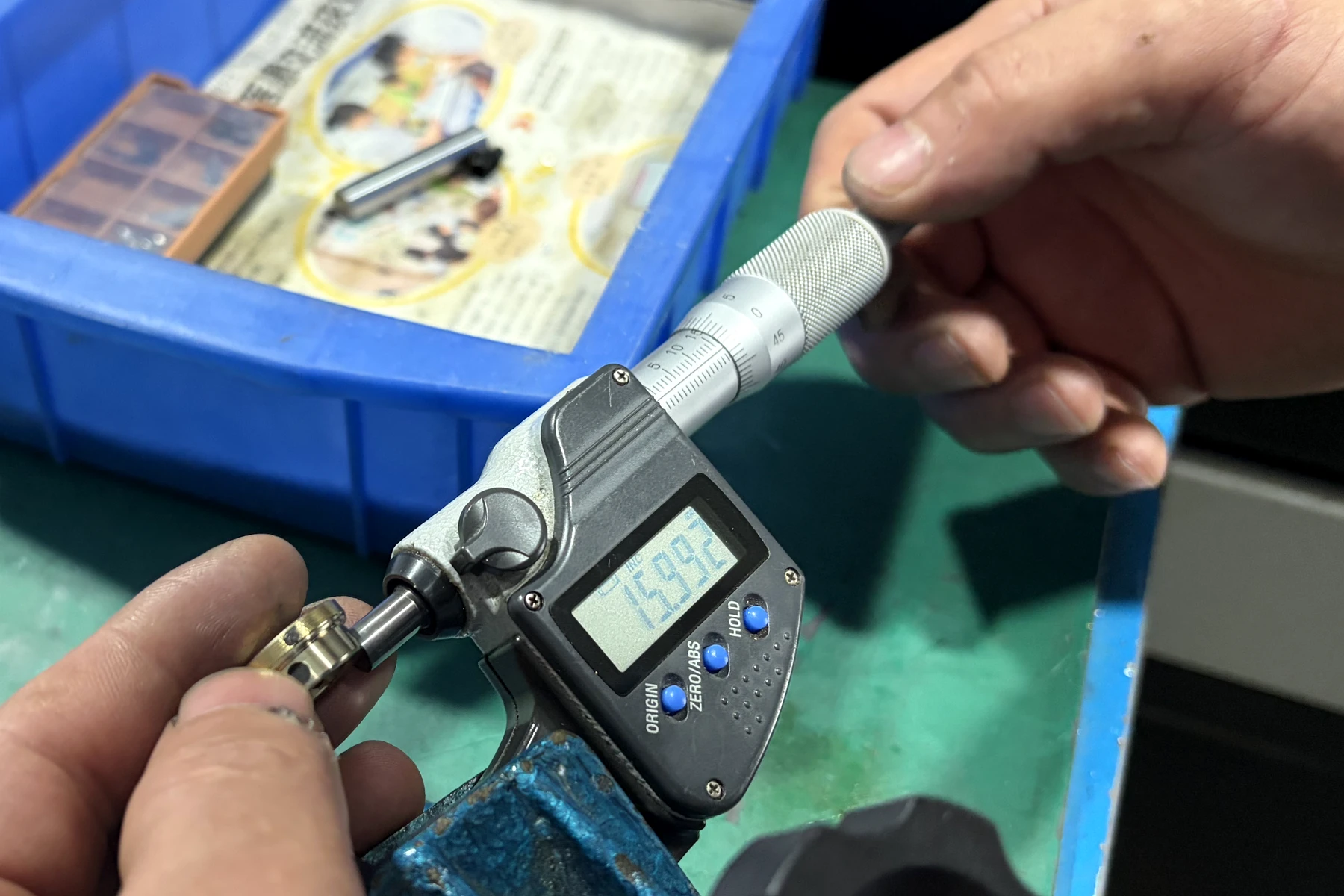
Published inspection example
The photographed micrometer reading verifies one outside-diameter feature on one part. It does not establish the bore result or batch-wide capability.
View the inspection caseSurface Finishing Coordination
OUJI coordinates anodizing, hard anodizing, electroless nickel plating, passivation, black oxide, powder coating and mechanical finishes for CNC-machined parts through selected finishing partners.
The finish specification, masking instructions, dimensions that apply after finishing and required inspection records are confirmed before production.
Before Quotation
Send the controlled drawing with these requirements so machining allowance, masking and inspection can be planned together.
Partner-Site Process Evidence
Photographed at a selected surface-treatment partner. OUJI coordinates the drawing revision, finish specification, masking and requested inspection records through the handoff.
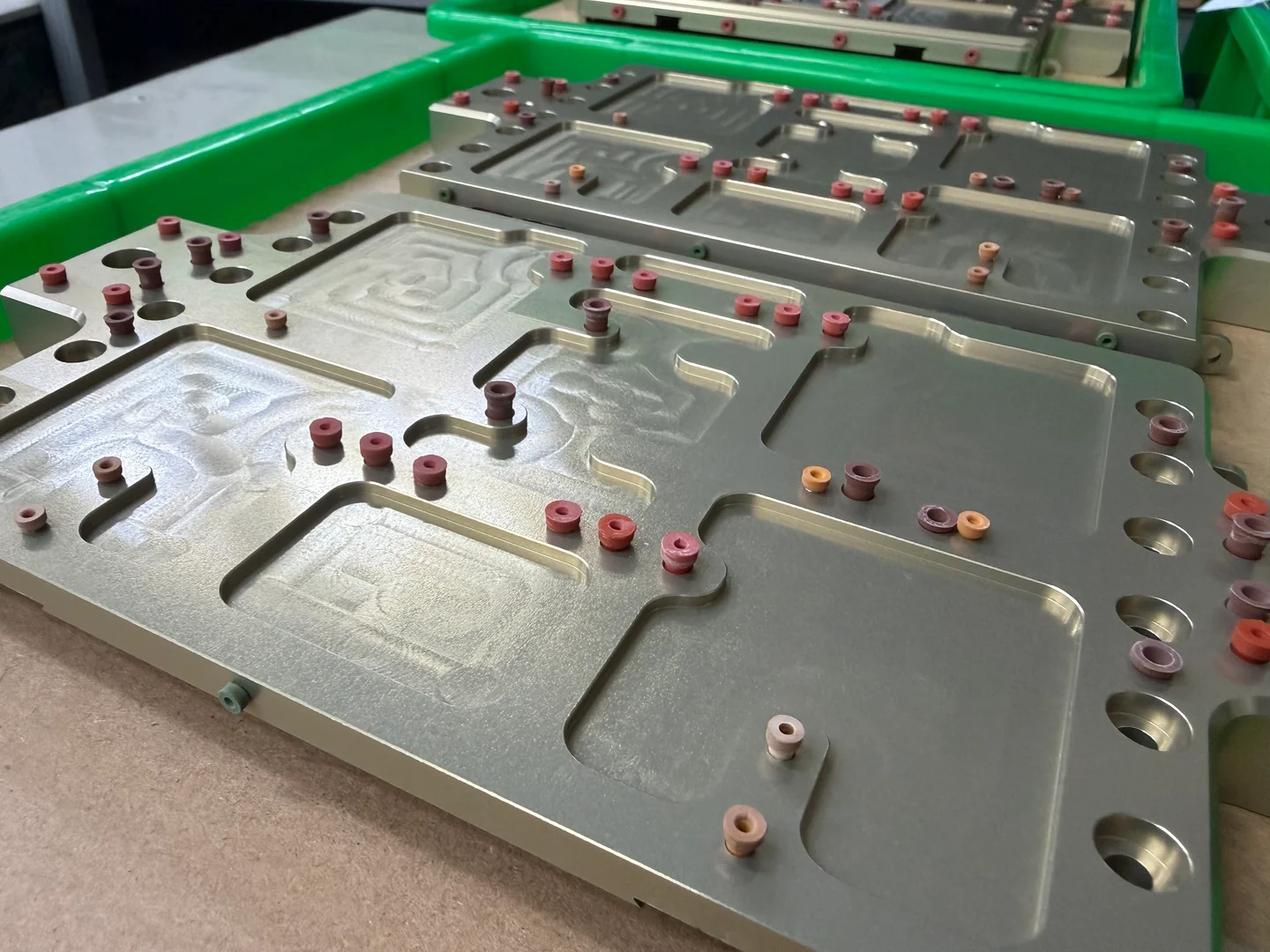
Masking
Plugs protect selected holes and surfaces during partner-applied finishing. The exact masking scope is confirmed from the drawing.
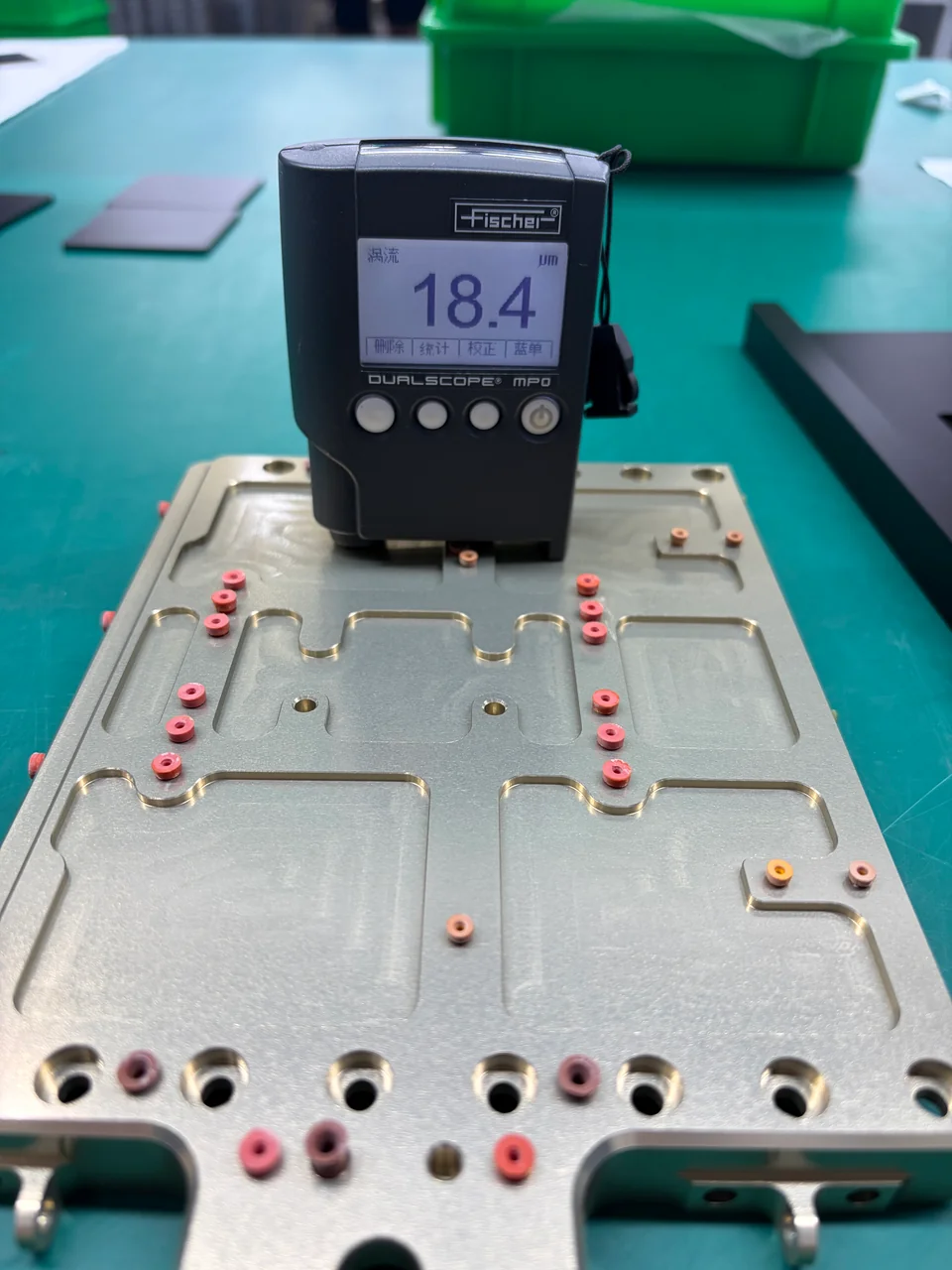
Inspection
Used when the drawing or purchase requirements call for it. Acceptance limits and sampling are project-specific.
The displayed 18.4 μm is one photographed spot reading, not a general thickness capability or batch-acceptance result.Purchasing reference
OUJI machines custom milled and turned parts in metal and engineering plastics, from a single prototype to repeat production, with typical tolerances of ±0.01 mm. Critical dimensions can reach ±0.005 mm after drawing and process review. Part size is confirmed after reviewing geometry, workholding and machining access.
| Requirement | OUJI scope & review conditions |
|---|---|
Part & process fit | |
| Order quantity | From 1 piece |
| Processes | Milling, turning, drilling, tapping, boring and multi-axis machining |
| Materials | Metal · Engineering plastic |
| Milling travel | Part size is confirmed at engineering review; largest recorded 3-axis X × Y travel: 1300 × 700 mm. |
| Turning envelopes | Part size is confirmed at engineering review; recorded envelopes include Ø350 × 400 mm (Tongtai) and Ø300 × 500 mm (Longbang) on different machines. These limits cannot be combined. |
| Swiss & micro machining | Swiss-type turning for miniature shafts, pins, sleeves and connector parts up to Ø32 mm, subject to drawing review. |
| Surface finishing | As Machined · Bead Blasting · Anodizing · Hard Anodizing · Powder Coating · Electroless Nickel Plating · Passivation · Black Oxide |
Tolerances & acceptance | |
| Typical tolerance | ±0.01 mm |
| Critical features | Critical dimensions can reach ±0.005 mm after drawing and process review |
| General tolerance standard | ISO 2768-m, ISO 2768-f or the customer's own standard, confirmed from the drawing, quotation and engineering review. |
| Inspection equipment | 2 ZEISS CMMs; 4 height gauges from Mahr, Trimos and TESA; Runxing vision measurement; Mitutoyo roughness testing; microscopes and hardness testing |
| Documents on request | Material certificates, dimensional inspection reports and first article records — specify at quotation. |
| Certification | OUJI is ISO 9001:2015 certified. |
Production & quotation | |
| Equipment | 21 3-axis milling machines 9 5-axis machining centers 13 CNC turning machines: 10 lathes and 3 turn-mill machines, classified by the current equipment ledger 13 Swiss-type and sliding-headstock machines, counted separately from the CNC lathe and turn-mill lineup |
| Files accepted | STEP, STP or X_T for geometry; PDF or DWG drawing for tolerances, threads, GD&T, material, finish and inspection requirements. |
| Part type | Earliest dispatch | Typical dispatch |
|---|---|---|
| Standard parts, no heat treatment | From 3 business days for simple parts | Within 14 business days |
| Heat-treated parts | From 14 business days | About 21 business days |
| Complex parts requiring heat treatment | From 30 business days | Confirmed with quotation |
Production lead times run from drawing approval and technical confirmation to dispatch. Transit time is not included. Quantity, material availability, finishing and inspection requirements are confirmed with the quotation.
OUJI quotes CNC machining per part. Material, geometry, setups, quantity and agreed inspection requirements determine the unit price.
| Equipment group | Machine positioning accuracy | Listed machine accuracy |
|---|---|---|
| 3-Axis Milling | 0.005–0.01 mm | 0.01–0.02 mm |
| 5-Axis Milling | 0.005–0.006 mm | 0.005–0.01 mm |
| CNC Turning | 0.003–0.01 mm | 0.005–0.02 mm |
Positioning accuracy and machine accuracy are equipment-record indicators, not achievable part tolerances. Finished-part dimensions and tolerances are confirmed after drawing, material, setup and inspection review.
21 3-axis machining centers and 9 5-axis machining centers
13 CNC turning machines: 10 lathes and 3 turn-mill machines, classified by the current equipment ledger
13 Swiss-type and sliding-headstock machines, counted separately from the CNC lathe and turn-mill lineup
Swiss-type equipment & limits2 ZEISS CMMs; 4 height gauges from Mahr, Trimos and TESA; Runxing vision measurement; Mitutoyo roughness testing; microscopes and hardness testing
The equipment ledger lists ZEISS CMM measurement accuracies of 0.002 mm and 0.0017 mm. These are instrument records, not guaranteed inspection performance or finished-part tolerances.
Documents on requestContact your OUJI sales representative with the relevant inspection results or photos of the issue. We will promptly review the problem and, where necessary, confirm it by remeasuring retained samples or inspecting returned parts. If OUJI is confirmed to be responsible for the manufacturing nonconformity, we will work with you to arrange rework or remanufacture at no charge and cover the necessary transport costs.
By Tom Yi, Project Support
Updated