
Orient for the working load
Place the strongest filament paths along the primary load direction and avoid relying on layer-to-layer strength for critical clips, tabs or thin arms.
FUSED DEPOSITION MODELING
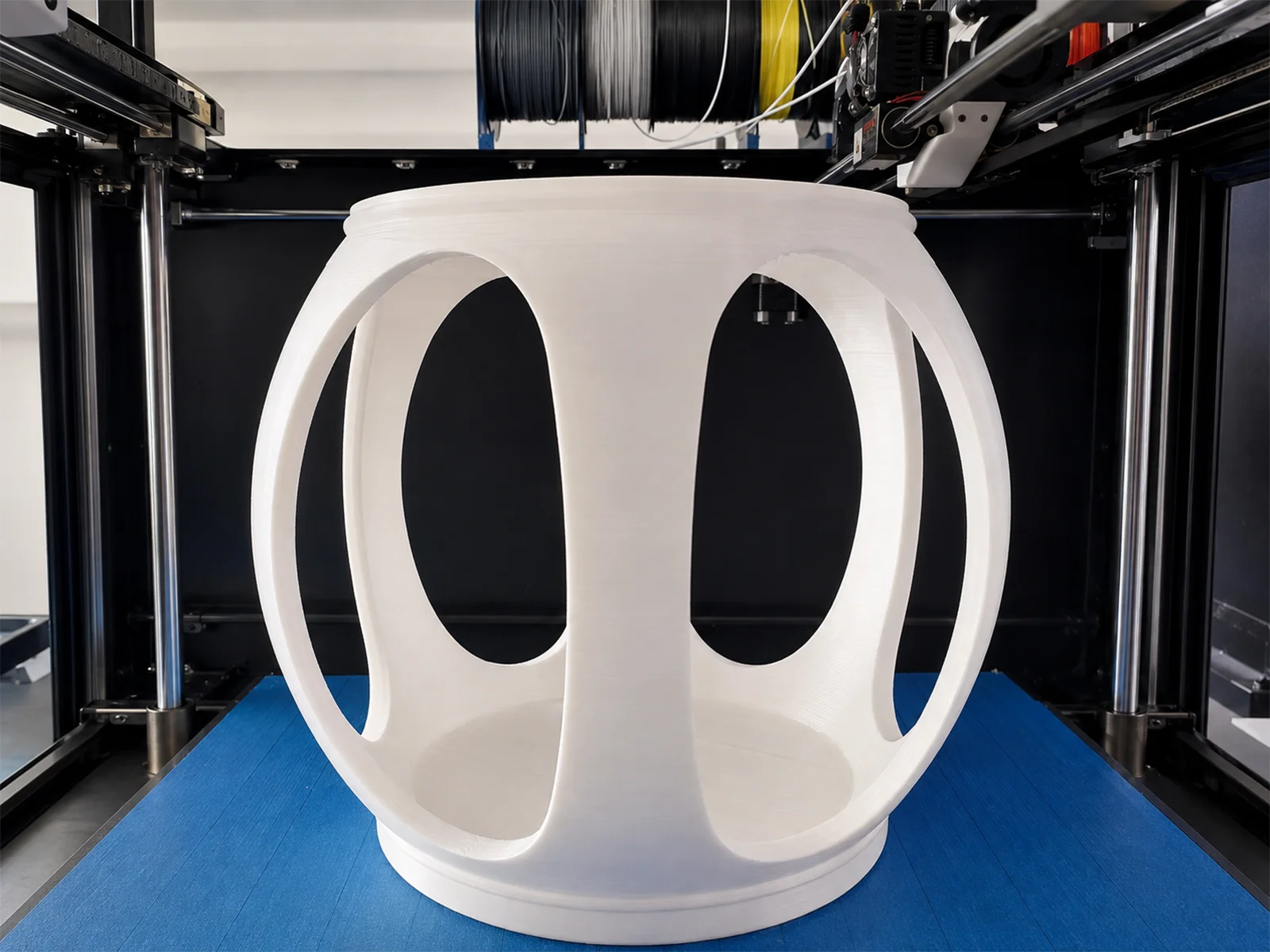
Produce cost-effective thermoplastic parts for design checks, functional testing, fixtures and low-volume use. FDM is especially practical for fast iterations, robust components and larger-format prototypes.
DESIGN GUIDE
FDM builds parts one extruded road at a time, so orientation affects strength, surface texture and support marks. Wall thickness, overhangs and critical interfaces should be planned around how the part will be loaded and assembled.
Place the strongest filament paths along the primary load direction and avoid relying on layer-to-layer strength for critical clips, tabs or thin arms.
Use consistent wall thickness where possible. Hollow or rib large solid areas to reduce print time, material use and heat-related distortion.
Design self-supporting angles where practical and place required supports on hidden or accessible surfaces that can be cleaned and finished.
All FDM projects are quoted with a production lead time starting from 3 days.
FDM MATERIALS
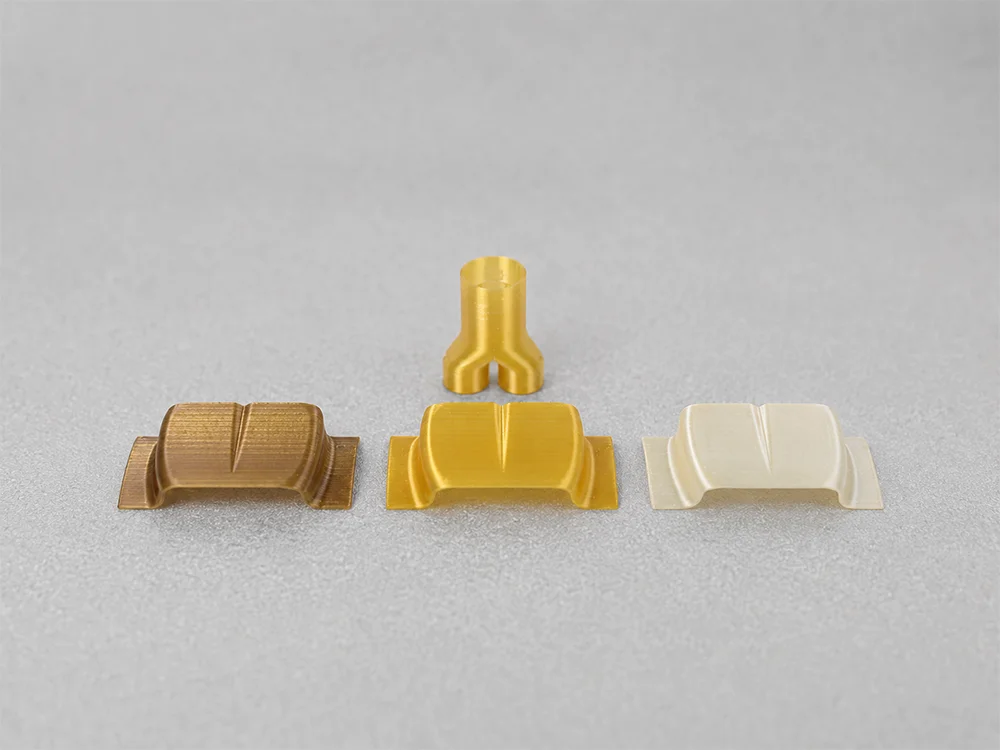
Housings, fixtures and durable general-purpose prototypes
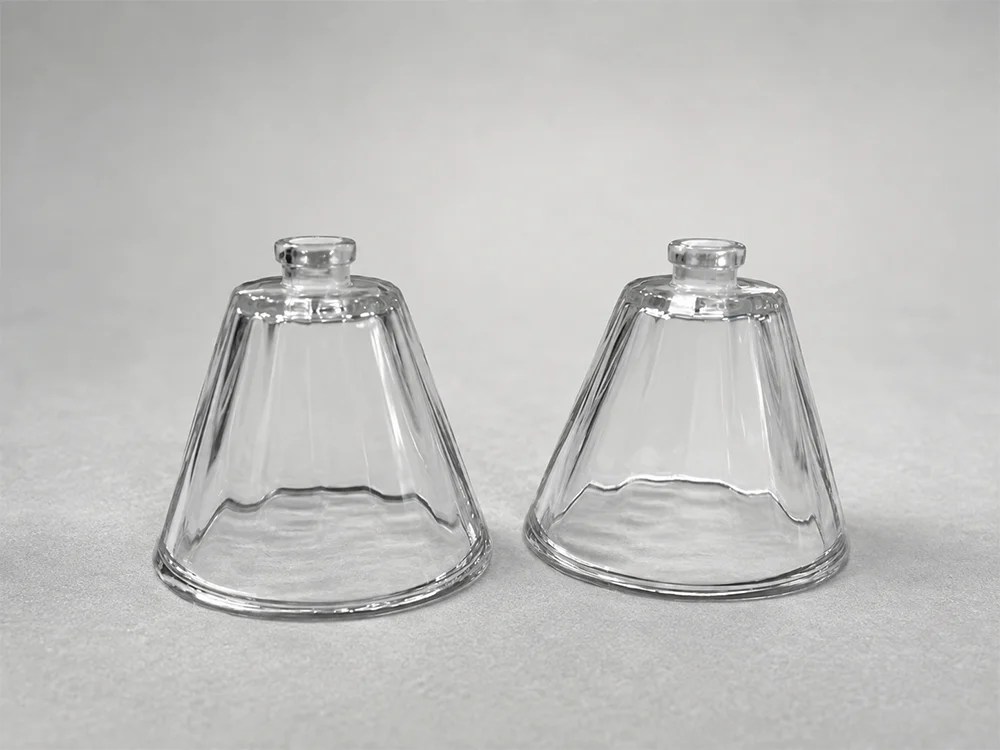
Strong prototypes and heat-exposed functional components
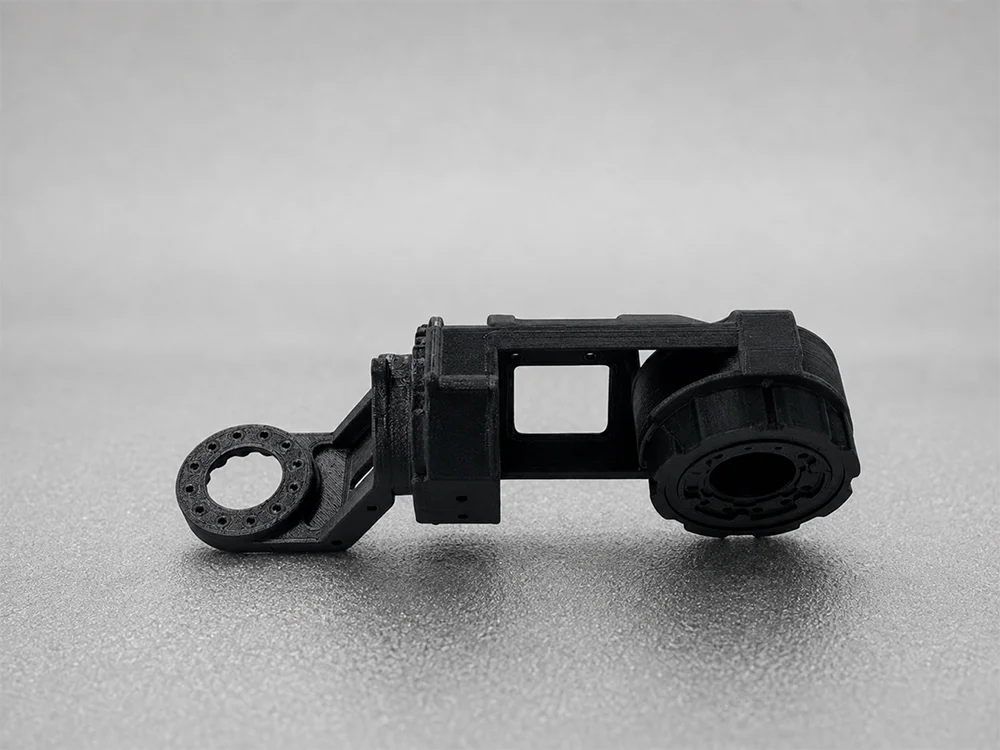
Wear-resistant fixtures, brackets and lightweight tooling
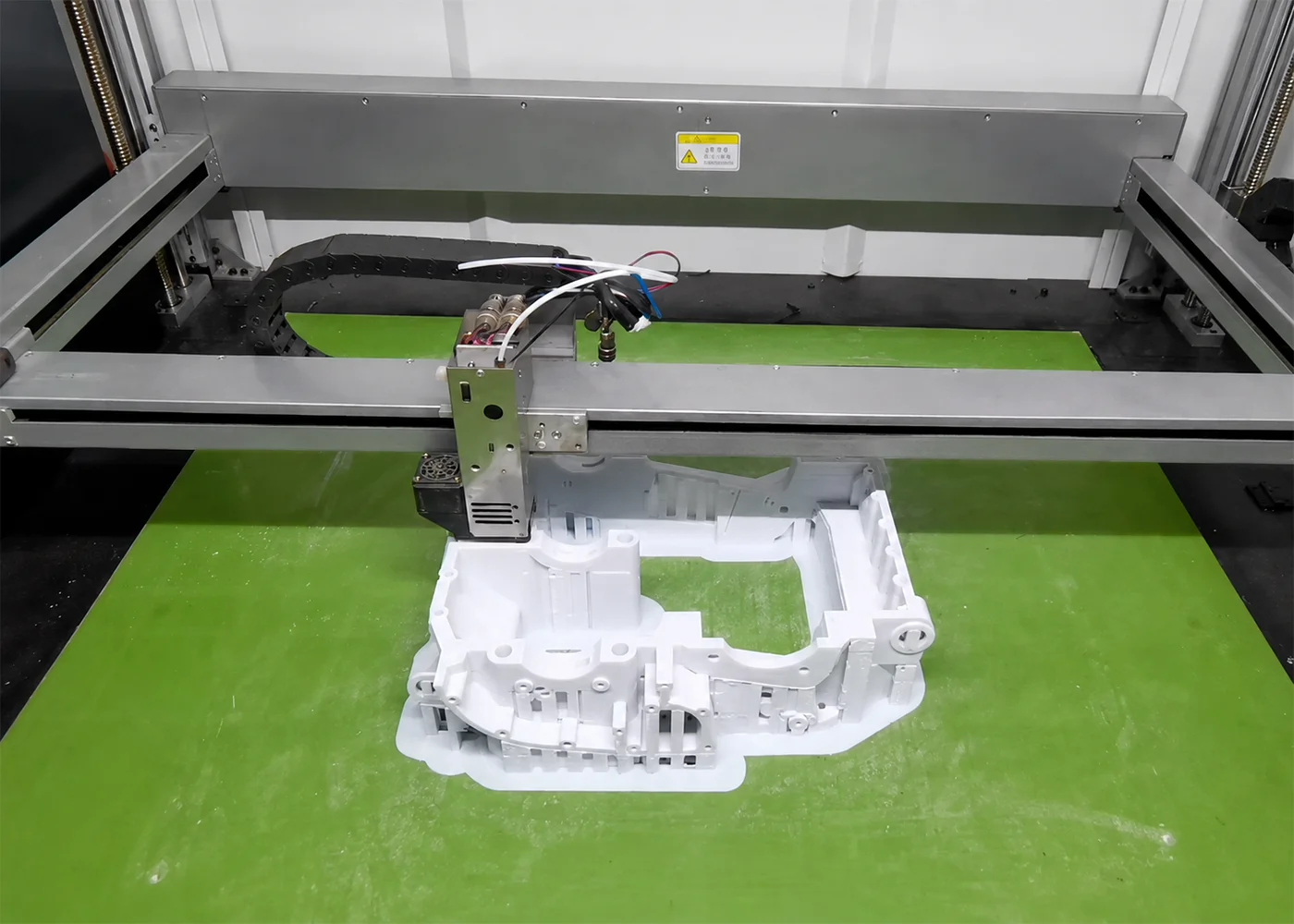
HOW FDM WORKS
Design revisions can be printed quickly without tooling, making FDM effective for early engineering loops and fit checks.
Material options range from practical ABS and ASA to heat-resistant polycarbonate and reinforced nylon.
Larger housings, covers and fixtures can be built as one piece or split into controlled bonded sections.
Functional parts, assembly aids and short-run components can be produced without molds or dedicated dies.
COMMON APPLICATIONS
Affordable physical parts for envelope, interface and assembly reviews.
Lightweight nests, drill guides, checking tools and assembly aids for shop-floor use.
Thermoplastic housings, brackets and mechanisms for practical engineering tests.
Custom covers, replacement parts and non-cosmetic end-use components without tooling.