Process Coordination
Coordinate CNC machining, heat treatment, Wire EDM and finishing through one project contact.
Fabrication & Secondary Processes
Precision cutting for hard metals, complex profiles and delicate features—without mechanical cutting force.
Send us your drawing for an engineering review, process recommendation and clear quotation.
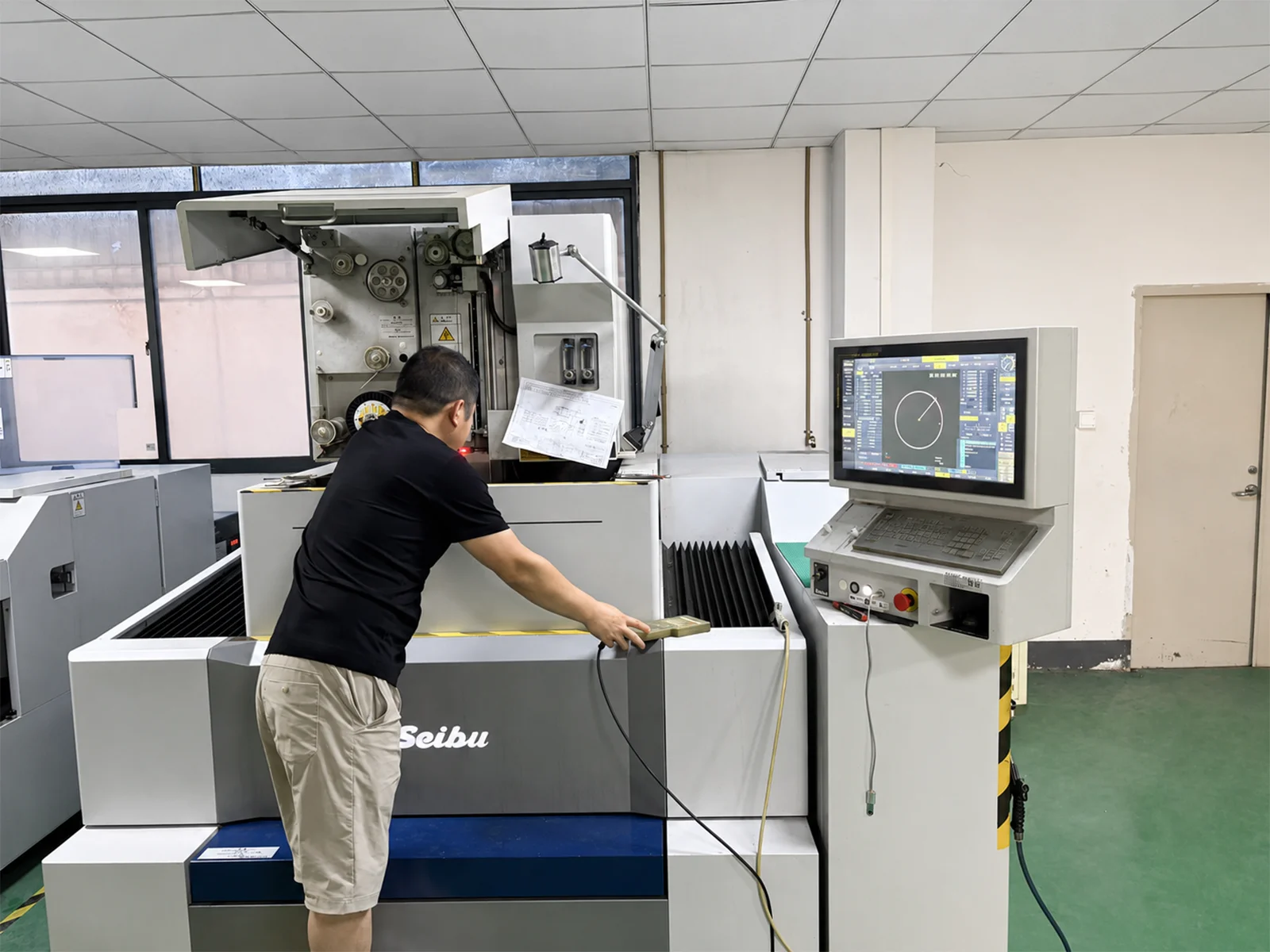
Wire EDM is most useful when conventional cutting tools are limited by material hardness, cutting force, tool access or internal geometry.
Cut heat-treated steels and other conductive hard metals without conventional tool pressure.
Produce narrow slots, detailed profiles and small internal features that are difficult to mill.
No direct cutting force helps reduce deformation in fragile or thin-wall components.
Suitable for accurate 2D contours, inserts, dies, gauges and precision production parts.
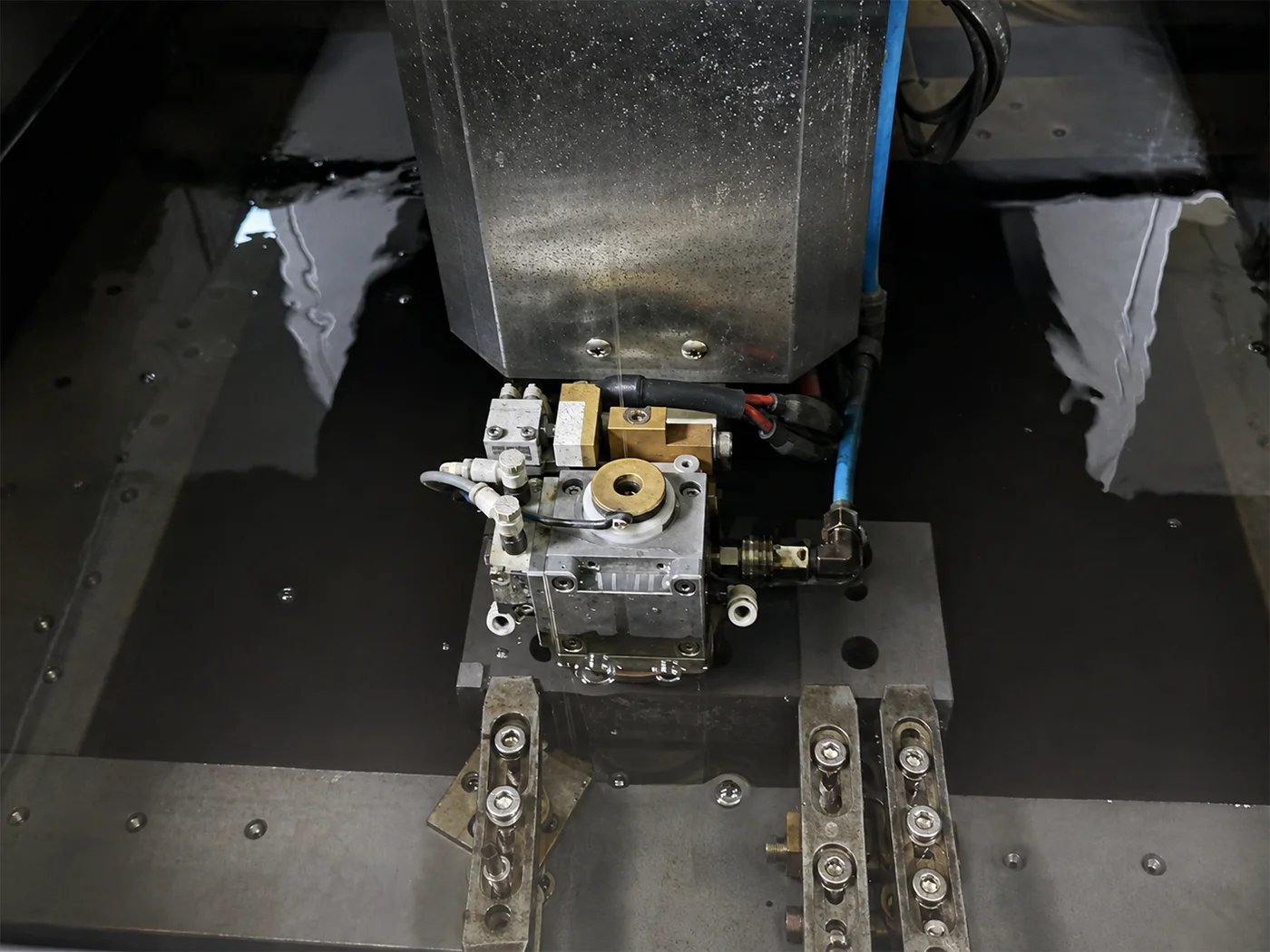
Wire EDM results depend on more than a tolerance value. Our engineers review the complete cutting condition before confirming the process.
We review the geometry, material condition, tolerances, datums and inspection requirements.
The workpiece, start holes and clamping method are prepared according to the cutting plan.
Rough cutting removes material, followed by controlled skim passes where tighter accuracy or improved finish is required.
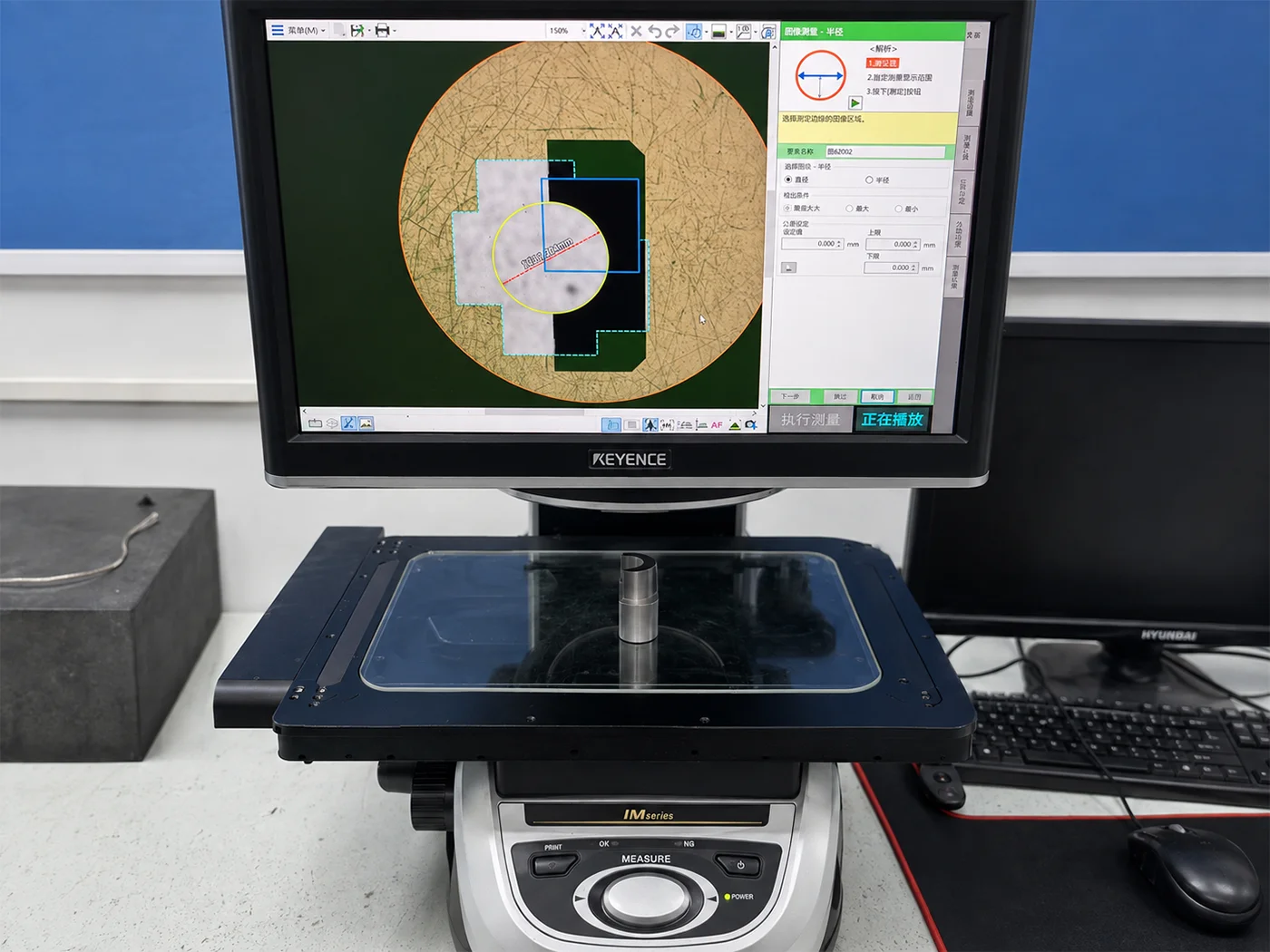
Critical dimensions are inspected against the drawing before parts move to finishing, assembly or delivery.
Wire EDM can only process electrically conductive materials. Final feasibility depends on the material grade, heat-treatment condition, thickness and drawing requirements.
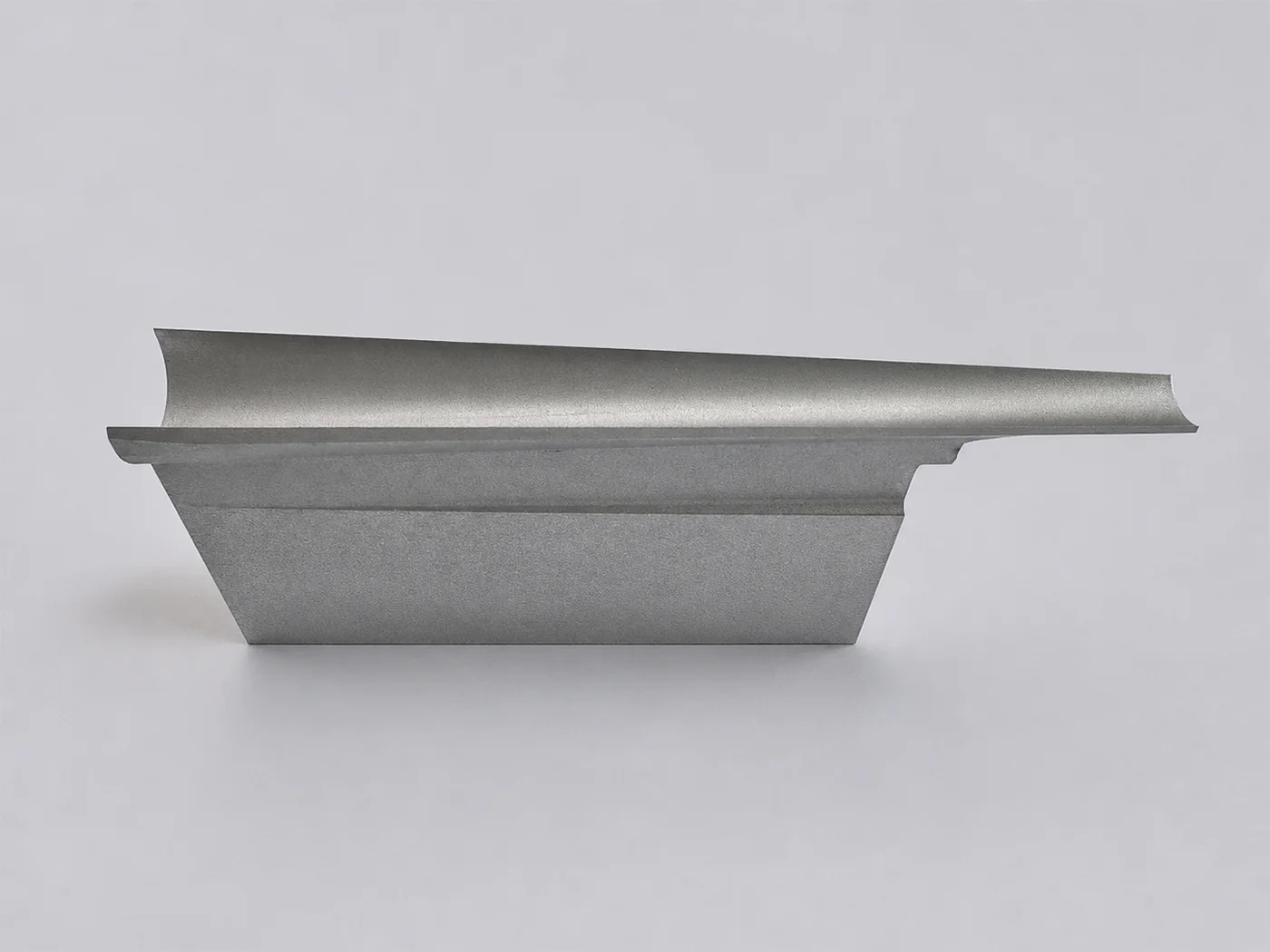
Wire EDM is often only one step in a multi-process part. OUJI coordinates machining, heat treatment, wire cutting, surface finishing and inspection around the same drawing and datum strategy.
Coordinate CNC machining, heat treatment, Wire EDM and finishing through one project contact.
Review how critical features relate across different manufacturing operations.
Inspect drawing-critical dimensions after all relevant processes are completed.
Direct answers about materials, geometry, cost and quotation files.
No. Wire EDM requires an electrically conductive workpiece. Plastics and most non-conductive ceramics cannot be cut using this process.
Yes. Wire EDM is commonly used for hardened conductive materials. The final process sequence should be reviewed according to distortion risk and dimensional requirements.
Wire EDM can produce very small internal corner radii, but the final radius is limited by the wire diameter and discharge gap. Mark critical corner requirements clearly on the drawing.
The main factors include material thickness, total cutting length, tolerance, surface-finish requirements, number of skim passes, start holes, setup complexity and quantity.
STEP, STP, IGES, X_T, DWG, DXF and PDF files are accepted. Include the material grade, quantity, tolerances, heat-treatment condition and inspection requirements.
Yes. OUJI supports projects from one piece through repeat production, subject to drawing and process review.